

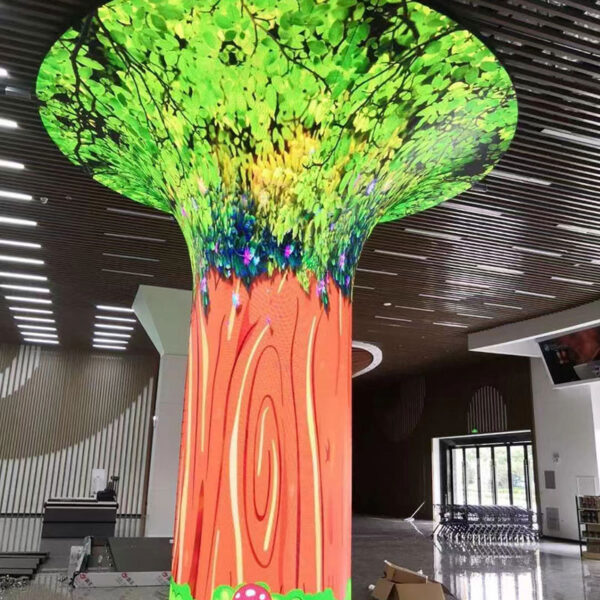
In today’s fast-paced digital world, indoor modular LED displays have emerged as a groundbreaking solution for businesses seeking to enhance their visual communication. However, despite their increasing popularity, many still compare them to traditional displays to evaluate cost-effectiveness and performance. This article delves into how indoor modular LED displays stack up against traditional LED displays, focusing on cost, performance, flexibility, and sustainability.
The Evolution of Display Technology
What Are Indoor Modular LED Displays?
An indoor modular LED display consists of individual modules that can be easily assembled or disassembled to create custom-sized screens. This modular design makes them highly versatile, allowing businesses to create displays of various shapes and sizes without compromising on image quality. These displays are commonly used in a wide range of applications, including advertising, retail, events, and control rooms.
Traditional LED Displays: The Legacy Option
In contrast, traditional LED displays are usually larger, integrated units made up of non-modular components. While they offer a stable display solution, their lack of flexibility often limits their customization and application, particularly in complex setups or evolving business needs.

Comparing Cost: Modular vs. Traditional Displays
When deciding between an indoor modular LED display and a traditional display, cost is often one of the primary factors. Let’s break down the key cost considerations:
1. Initial Investment:
Traditional LED displays are typically more expensive upfront due to their all-in-one structure. The cost is higher because the screen is designed and built as a single piece, limiting customization and flexibility. On the other hand, indoor modular LED displays allow businesses to start small and scale over time. They offer the flexibility to purchase only the modules needed for the current project, reducing the initial investment.
2. Maintenance and Replacement Costs:
Another cost factor is maintenance. Traditional displays may require expensive repairs when parts fail, as the entire unit might need replacement. Indoor modular LED displays, however, are much easier to maintain. If a module malfunctions, only the specific module needs replacement, rather than the entire display. This reduces long-term operational costs.
3. Energy Efficiency:
Modern indoor modular LED displays are generally more energy-efficient compared to traditional LED displays. As sustainability becomes more important for businesses and consumers, Colorich offers energy-efficient solutions that help businesses save on electricity costs while reducing their environmental impact.
Performance Comparison: Flexibility, Durability, and Quality
1. Customizability and Flexibility:
One of the biggest advantages of indoor modular LED displays is their flexibility. Whether your display needs to wrap around a column, cover a large wall, or fit into a unique space, modular displays can be customized to meet the exact specifications. Traditional LED displays, however, are limited by their fixed sizes and configurations.
2. Image Quality:
Both indoor modular LED displays and traditional displays offer high-quality images, but modular systems excel in providing consistent image quality across various sizes. The modular design ensures that no matter how large the screen, the image quality remains uniform and high-resolution. Traditional displays may face challenges with image consistency in large setups, especially if the screen is too large for its pixel density.
3. Durability and Maintenance:
When it comes to durability, indoor modular LED displays outperform traditional models. These displays are designed for quick repair and easy upgrades. As businesses grow and require more robust solutions, they can expand their display setup with minimal downtime. Traditional displays, however, often require complex repairs and upgrades, leading to longer downtime and potentially higher service costs.
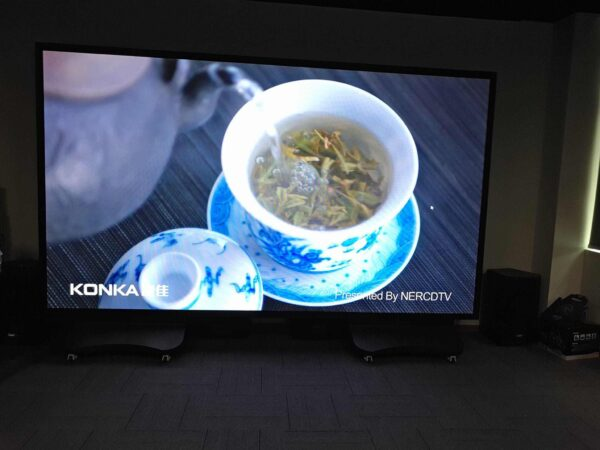
How Indoor Modular LED Displays Benefit Businesses
1. Scalability for Future Growth:
For growing businesses, scalability is essential. An indoor modular LED display system allows you to start small and expand your display as your business grows. Traditional LED displays, in contrast, often require costly upgrades or full replacements as business needs change.
2. Enhanced Visual Appeal:
With indoor modular LED displays, businesses can create eye-catching visuals that engage customers. The flexibility to design displays in custom shapes and sizes allows for more creative and dynamic presentations, which can be a huge advantage in advertising or branding efforts.
3. Sustainability and Eco-Friendliness:
As the demand for sustainable products rises, businesses are increasingly prioritizing eco-friendly solutions. Indoor modular LED displays are not only energy-efficient, but their modular nature means that individual components can be recycled or replaced without discarding the entire display unit.
Why Choose Colorich for Your LED Display Needs?
Colorich offers cutting-edge solutions for businesses looking to adopt indoor modular LED displays. Whether you’re a B2B procurement manager, a retailer, or a tech enthusiast, Colorich provides cost-effective, energy-efficient, and customizable display systems that can be tailored to your unique business needs. With Colorich, you get:
-
Affordable solutions with low upfront costs.
-
Energy-efficient options that help reduce operational expenses.
-
Flexible designs that fit any space or display requirement.
-
Sustainability-focused products that contribute to reducing your environmental impact.
Conclusion
In summary, indoor modular LED displays offer significant advantages over traditional displays, especially in terms of cost, performance, flexibility, and sustainability. By opting for a modular solution, businesses can enjoy lower initial investments, more customizable designs, and a more efficient long-term solution. Additionally, the ease of maintenance and scalability makes modular displays an ideal choice for growing businesses looking to adapt to future needs.
If you’re ready to invest in a cost-effective and high-performance indoor modular LED display, consider Colorich for all your display solutions. We’re here to help you make the right choice for your business.
FAQ:
1. What is the main difference between modular LED displays and traditional LED displays?
The main difference lies in flexibility. Modular LED displays are made up of individual panels that can be customized and scaled according to your needs, while traditional LED displays come as a single, fixed unit.
2. How do indoor modular LED displays save on costs?
Indoor modular LED displays save on costs by reducing the need for full replacements, allowing for smaller, cost-effective upgrades. They also use less energy compared to traditional displays, which reduces long-term operating expenses.
3. Are indoor modular LED displays more durable than traditional displays?
Yes, modular LED displays tend to be more durable because they are easier to maintain and repair. If a module fails, only the faulty module needs to be replaced, minimizing downtime and maintenance costs.
